This weeks topic is the relationship between neuroscience
and art. Long ago, the brain was though to be very complicated and people would
take one look at it and give up. The
human brain has only been studied for a short period of time that is why
neuroscience is relatively new. When you think of art and neuroscience its hard
to imagine how they can be related. Art is creative, colorful and imaginative
while science is logical, factual and requires a lot of research. As time
progresses the art and sciences have collaborated more and more to create
things such as neuroaesthetics. Neuroaesthetics is a way of studying art
through the methods used in neuroscience. The importance of this is that it can
help leads us to answers to how we understand artwork and our overall
psychological engagement with the world.

http://www.geneticsandsociety.org/img/original/Brain1.jpg
An important person in the history of neuroscience is Franz
Joseph Gall. As the founder of Phrenology, he believed you could tell ones
future by just feeling bumps on their head. He divided the brain into 27
separate sections with the first 19 sections sharing a similarity with animals
and the other 8 strictly within humans. These sections pertained to subjects
such as mechanical ability, talent for poetry, recollection of people and even
contained a murder instinct. While his work was controversial, he dedicated a
lot of his time and efforts to the field of neuropsychology and discovered the
grey and white matter found within the human brain.
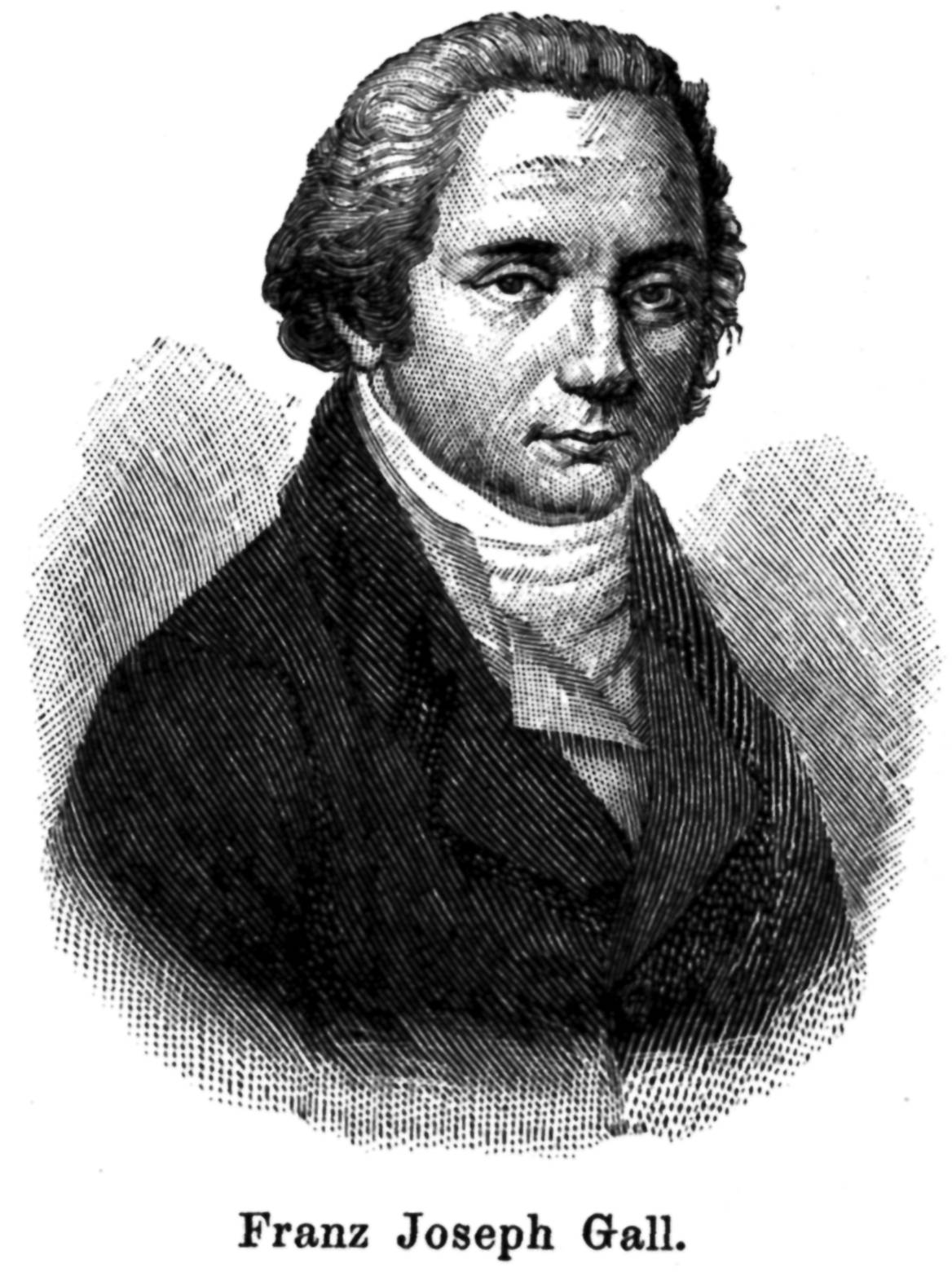
http://images.zeno.org/Pagel-1901/I/big/Pa000028.jpg
What I found to be interesting as that while LSD has a
negative view in society, it can be benefitial to some people who use it to
cure mental issues. When it was
discovered by Albert Hoffman, it was valued in psychoanalysis and psychiatry. Recently, the first
scientific study of LSD in patients after 40 years showed positive results.
While there have been successful results within patients such as decrease in
anxiety there is still great controversey on the use of LSD. Currently it is
illegal in the US however it could be
possible that it can change in the future to the positive results it has on schizophrenia
patients.

http://karmajello.com/postcont/2014/11/Screen-Shot-2013-04-29-at-9.04.46-AM-750x465.png
Works Cited
"Art and the Limits of Neuroscience." Opinionator Art and the Limits of Neuroscience Comments. N.p., 04 Dec. 2011. Web. 18 May 2015. <http://opinionator.blogs.nytimes.com/2011/12/04/art-and-the-limits-of-neuroscience/>.
"The Discovery of LSD." The Discovery of LSD. N.p., n.d. Web. 18 May 2015. <http://www.psychedelic-library.org/hofmann.htm>.
"Hallucinogenic Effects of LSD Discovered." History.com. A&E Television Networks, n.d. Web. 18 May 2015. <http://www.history.com/this-day-in-history/hallucinogenic-effects-of-lsd-discovered>.
Vesna, Victoria. “Conscious / Memory (Part 1).” Lecture. 16 Nov 2012.
<http://www.youtube.com/watch?feature=player_embedded&v=DLVQIwOn7o8>.
Konopka, Lukasz. “Where Art Meets Nueroscience: A New Horizon of Art Therapy.” Croatian Medical Journal. Croatian Medical Schools, 1 Feb. 2014. Web. 16 May 2015. http://www.ncbi.nlm.nih.gov/pmc/articles/PMC3944420/>.

No comments:
Post a Comment