Prior to reading
this weeks articles I never really thought of the collaboration of art and
mathematics because they seemed so different. On one hand, math is precise and
uses a system of symbols and rules of organizing them (lecture). It is also affected by the right side of the
brain. On the other hand, art is used by the left side of the brain and there
are many ways of doing and seeing art. Because of these reasons, I never saw
art and math as one. Personally, I liked art way more than math. I am not sure
why but I think it is because when I was younger I was intrigued by the
beautiful colors. As a grew older I got into computers and took interest in web
design and Photoshop. Looking back now I have realized that I've used math in
some form or another when I thought I was creating art. Just as Professor
stated in lecture, when creating art, in order to draw, paint or shape these
forms, sometimes we need to use mathematical formulas. After learning more
about this weeks topic, I have realized that art and math can be seen in many
things such as Photoshop, architecture and paintings.
http://www.unmuseum.org/espyrami.jpg
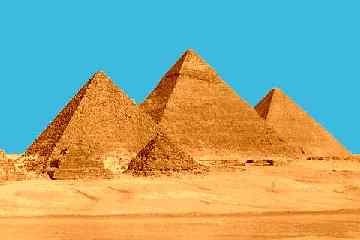
The Pyramids of
Egypt is a great example of how mathematics was used in art. Without the use of
mathematics , the Great Pyramids of Egypt would definitely not be as accurate
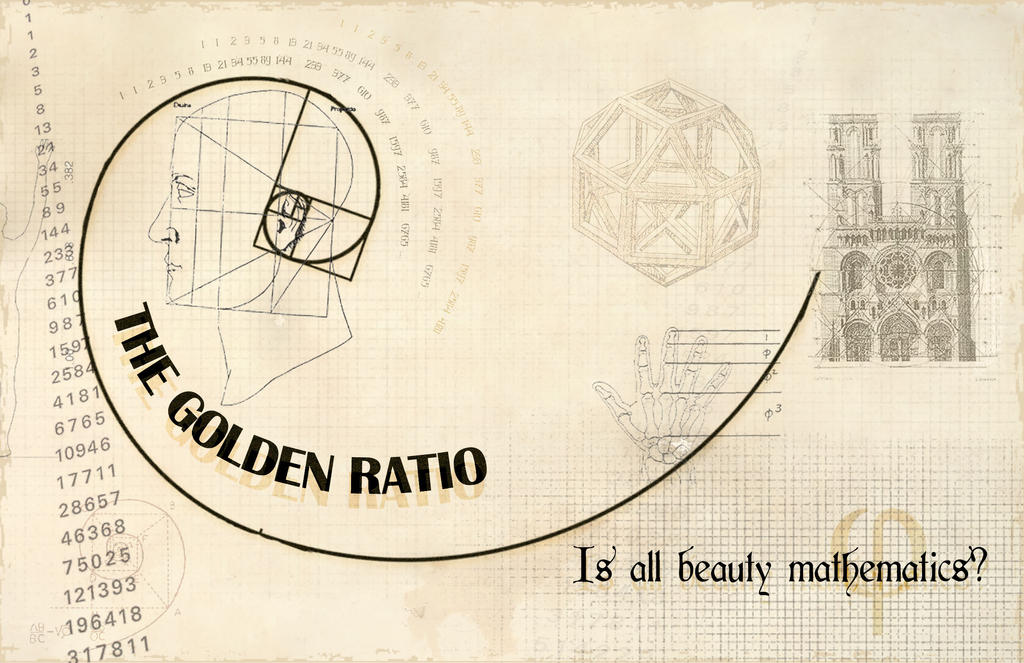
as it is.The Egyptians used the Golden Ratio which was sacred in their culture
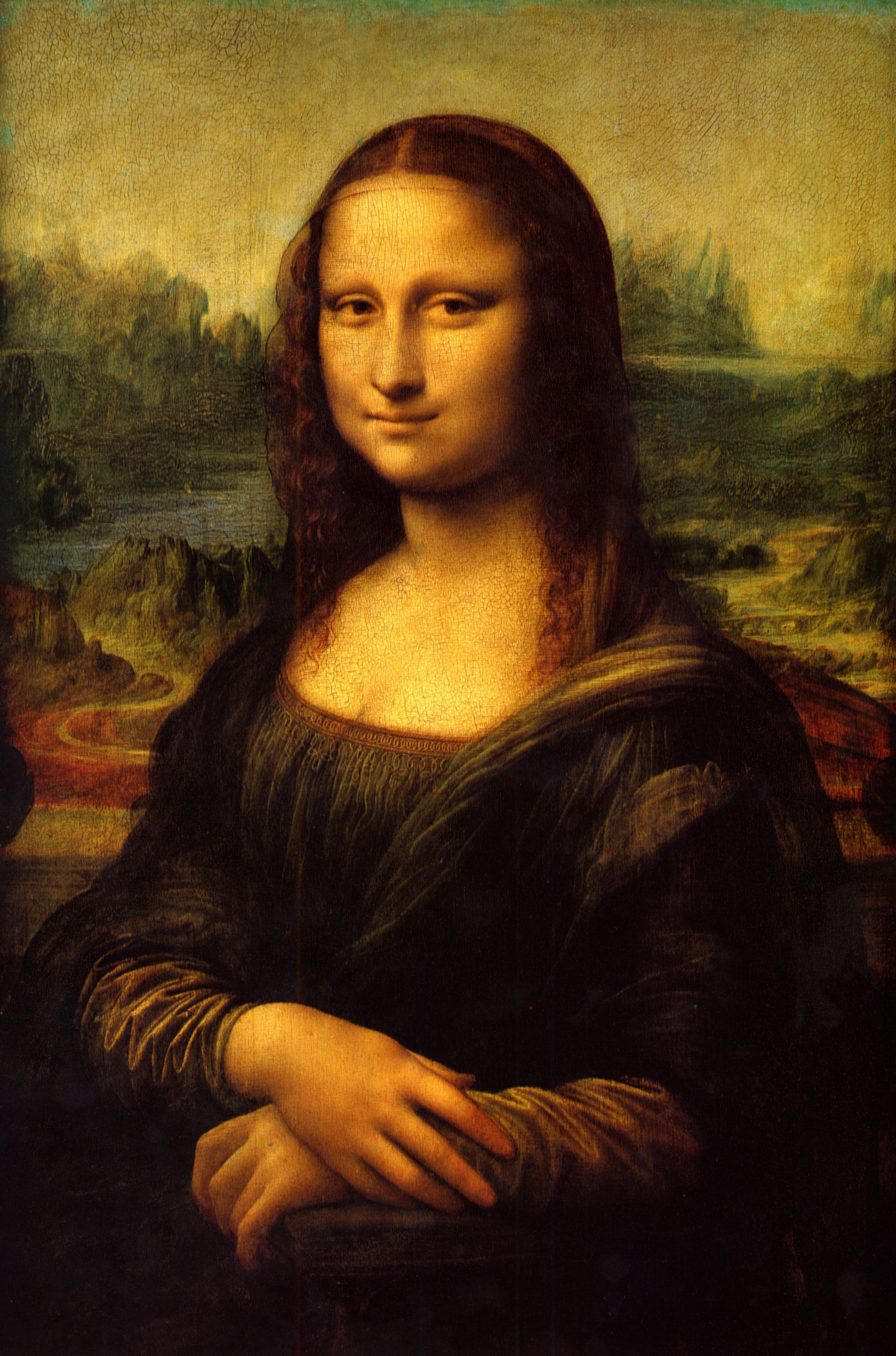
to help construct and design the Great Pyramids. Not only was the golden ratio
used for the Great Pyramids but it was also used when Leonardo Da Vinci painted
the Mona Lisa.
http://upload.wikimedia.org/wikipedia/commons/6/6a/Mona_Lisa.jpg
Looking at the
history of art and how it has transformed ,I believe as time goes on and as
technology improves, art and math will continue to create extraordinary things.
After learning about this weeks topics the juxtaposition of math, art and
science is clearer to me and now I know that it is all around me.
http://fc06.deviantart.net/fs50/i/2009/264/0/0/The_Golden_Ratio_by_crocusgirl.jpg
Works Cited
"Flatland." , by E. A. Abbott, 1884. N.p., n.d. Web. 13 Apr. 2015. <http://www.ibiblio.org/eldritch/eaa/FL.HTM>.
"The Mathematical Art of M.C. Escher." The Mathematical Art of M.C. Escher. N.p., n.d. Web. 13 Apr. 2015. <http://platonicrealms.com/minitexts/Mathematical-Art-Of-M-C-Escher/>.
"Mathematics and Art - Perspective." Mathematics and Art. N.p., n.d. Web. 13 Apr. 2015. <http://www-history.mcs.st-and.ac.uk/HistTopics/Art.html>.

I too have never really thought of how math and art interrelate. An Egyptian pyramid for example, takes numerous hours of calculation and the golden ratio to construct yet people like myself have never taken the time to think about. Sometimes we need to look beyond the beauty to understand the mathematics component of art.
ReplyDeleteHi Chanelle, I really enjoyed reading your blog. I can agree that i was into art more than i was math when i was younger. Maybe because it seemed much more fun back then ;) I also agree that as long as math is involved with art, artists will continue to creat amazing art.
ReplyDeleteI hadn't thought of the mathematical and artists aspects of the Pyramids, in some ways the combination of the two makes it more majestic. It brings to mind the question of how artistic expression has evolved over time with the evolution of mathematics.
ReplyDelete